



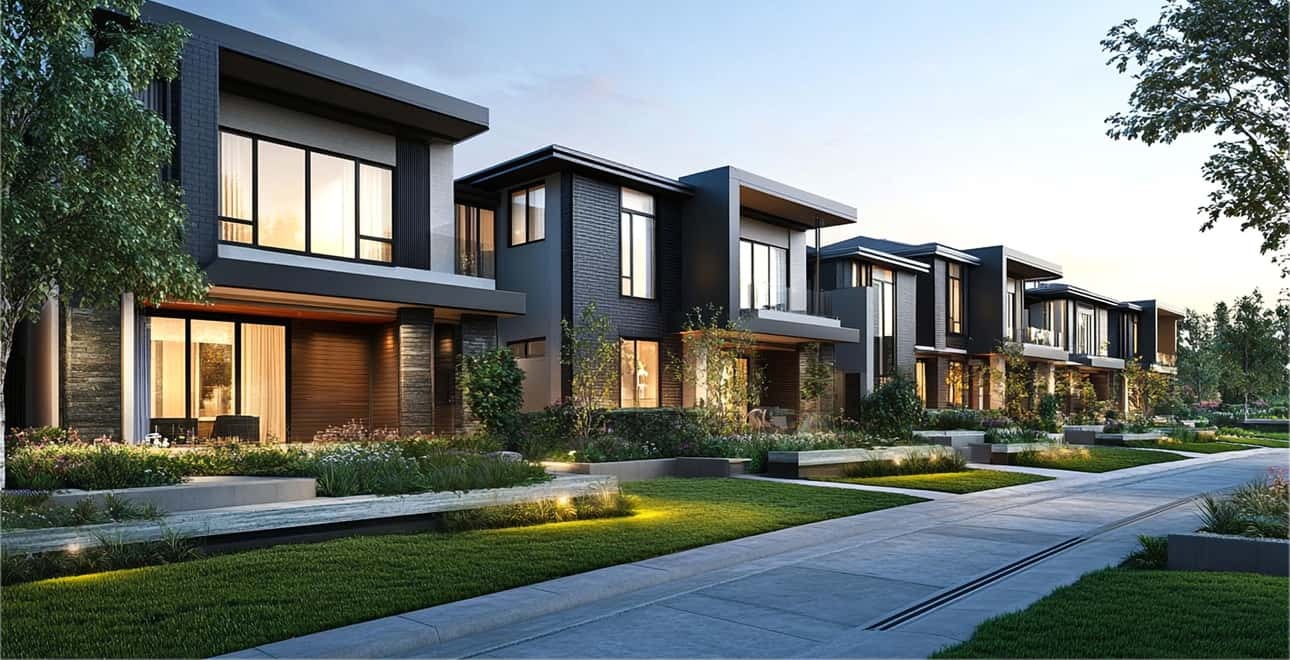
Sustainable living begins with thoughtful residential design that prioritizes environmental responsibility without compromising comfort. Modern homes are increasingly built with energy-efficient layouts, natural ventilation, and eco-conscious materials that reduce environmental impact while enhancing everyday living experiences.
Energy-efficient homes play a key role in reducing utility costs and environmental footprint. Smart lighting systems, energy-saving appliances, and optimized insulation help maintain comfortable indoor conditions while minimizing excessive energy consumption.
Technology is transforming how residential spaces operate. Smart thermostats, automated lighting, and water monitoring systems enable residents to control consumption efficiently, creating a balance between convenience and sustainability.
Using environmentally responsible materials such as reclaimed wood, low-VOC paints, and recycled construction elements contributes to healthier indoor environments. These choices not only reduce ecological impact but also improve long-term durability and maintenance.
Efficient water usage is a vital aspect of sustainable living. Installing low-flow fixtures, rainwater harvesting systems, and smart irrigation methods helps conserve water while maintaining functionality and comfort in residential properties.
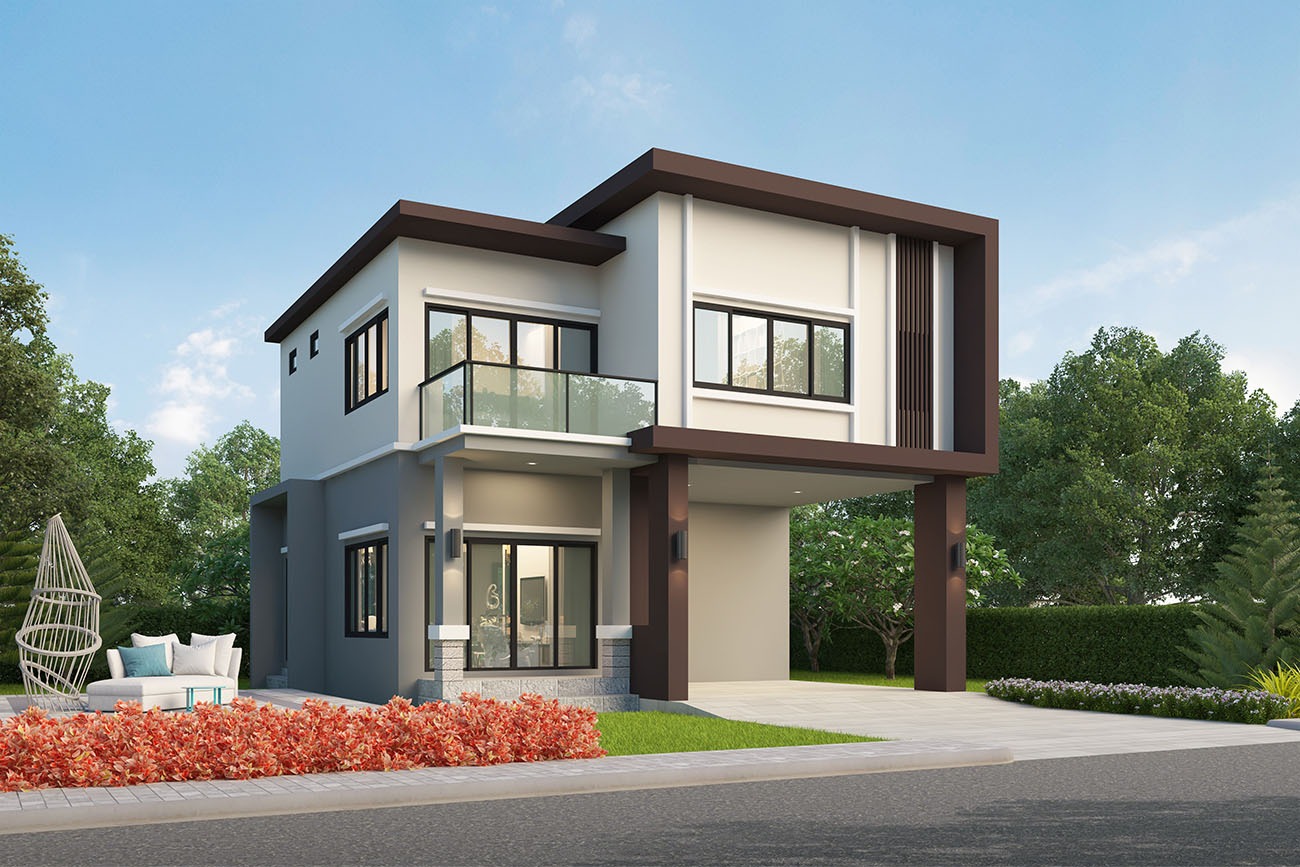
Incorporating greenery into residential environments enhances both aesthetics and well-being. Indoor plants, balcony gardens, and landscaped outdoor areas improve air quality, promote relaxation, and create a closer connection with nature.
Sustainable homes emphasize responsible waste management through recycling systems, composting practices, and reduced material usage. These habits contribute to cleaner living environments and long-term environmental preservation.
Choosing residences in well-connected locations supports sustainable living by reducing reliance on long commutes. Proximity to essential services, public transport, and community infrastructure enhances convenience while lowering carbon emissions.
Sustainable residential spaces offer long-term advantages, including reduced operational costs, increased property value, and improved quality of life. Eco-friendly homes are not only beneficial for the environment but also represent smart, future-focused investments.
The future of residential living is driven by innovation and environmental awareness. From solar-powered homes to net-zero energy buildings, sustainable practices continue to shape modern real estate, offering smarter and greener living solutions.
Passive design focuses on maximizing natural light, airflow, and temperature control through smart architectural planning. Proper window placement, shading, and insulation reduce dependence on artificial heating and cooling systems.
Incorporating solar panels and renewable energy systems allows residential properties to generate clean energy. This reduces electricity costs while promoting long-term environmental sustainability.
Healthy living spaces prioritize air quality through proper ventilation, non-toxic materials, and air-purifying plants. Clean indoor air enhances comfort, productivity, and overall well-being for residents.
Eco-friendly interiors include furniture made from recycled or responsibly sourced materials. Choosing durable and sustainable décor reduces waste while maintaining a stylish and modern aesthetic.
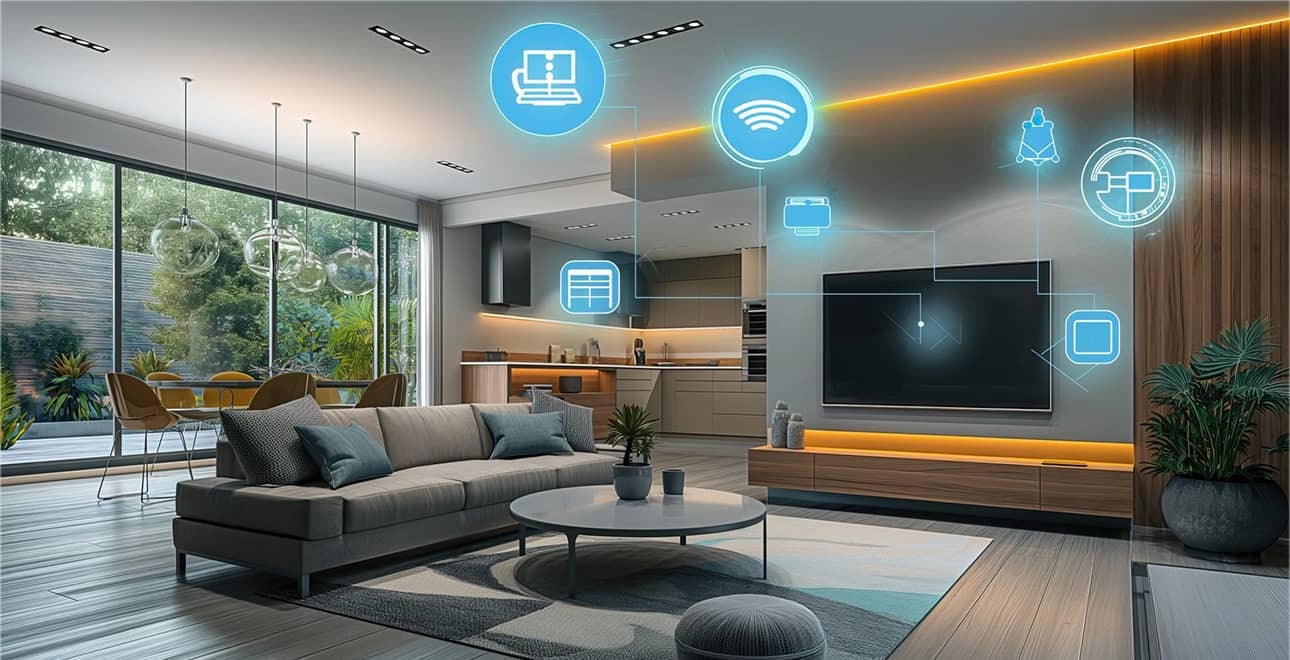
Sustainable residential communities encourage shared amenities such as co-working spaces, gardens, and recreational areas. This reduces resource consumption while fostering stronger social connections.
Adopting a minimalist lifestyle reduces unnecessary consumption and promotes mindful living. Efficient use of space and resources leads to lower environmental impact and more organized homes.
Modern residential spaces incorporate systems that treat and reuse wastewater for landscaping and non-potable uses. This reduces overall water demand and supports environmental conservation.
Using LED lighting, motion sensors, and daylight optimization significantly reduces electricity usage. Efficient lighting systems contribute to both cost savings and environmental protection.
Sustainable homes are designed for durability and low maintenance. High-quality materials and efficient systems reduce repair costs while ensuring long-lasting performance.